Rep. Torkelson: Session Ends with Tax Relief for Minnesotans and Fraud Accountability
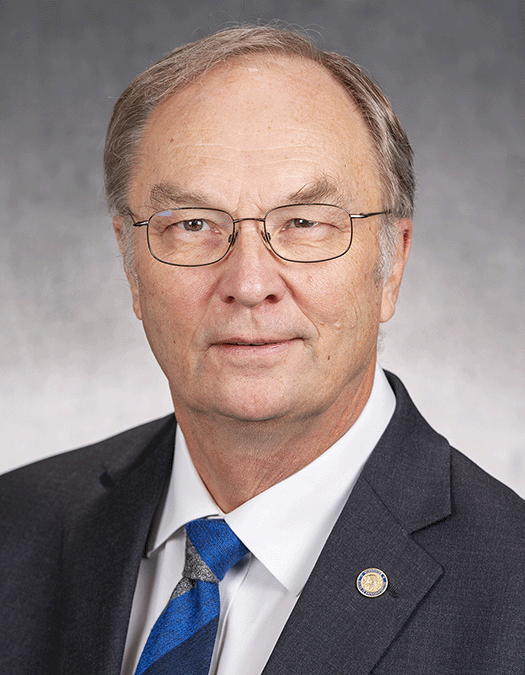
ST. PAUL – The 2026 legislative session concluded with tax relief for Minnesotans, technology updates for counties, and numerous accountability measures put in place to help address our state’s fraud epidemic. State Representative Paul Torkelson (R-Hanska) said he was pleased these initiatives were able to get through an evenly split Minnesota House and are on their way to Governor Walz for his signature.
“Tax relief, technology upgrades and fraud prevention were among my top priorities this session, so I am very pleased the House acted favorably on all of these topics,” Torkelson said.
For the past two years, Torkelson has led the charge to replace outdated human services software for Minnesota’s counties, which have been using programs that haven’t been updated for decades. Not only has this led to inefficiencies and wasted work time at the county level, but also allowed fraud to fester as swindlers learned how to take advantage of an outdated system.
Thanks to Torkelson’s leadership, funding is now in place to modernize these systems. This will improve efficiency, reduce costly administrative burdens, strengthen security protections, and help address issues related to error rates, eligibility verification, and new work requirements—making sure that government works better for both county employees and the taxpayers they serve.
Tax relief is also coming for hardworking Minnesotans who are struggling with affordability. This includes $125 million in property tax cuts, $250 million in car tab fee reductions, and the extension of the Pass-Through Entity tax provision, which provides hundreds of millions in relief for Minnesota businesses at zero cost to the state.
Lawmakers were also able to approve measures to help combat fraud. In addition to improving human services technologies for counties, an independent Office of the Inspector General (OIG) was established, which will be responsible for investigating state agencies, grant recipients, and contractors over fraud and related criminal conduct involving public funds. Welfare reform will also require able-bodied adults on Medicaid to work, train, or pursue education to receive benefits.
“These measures are going to put our state on a more successful path going forward,” Torkelson said. “These are good steps to help taxpayers keep more of what they earn, and good steps to help our state begin the process of rooting out fraud.”
While Torkelson was pleased lawmakers were able to come together on needed legislation for Minnesotans this session, he was discouraged by the lack of decorum repeatedly displayed.
“Democrats even blocked the passage of a farm bill, which makes me wonder what does the ‘F ‘in DFL stand for,” Torkelson questioned.